
SANS 10400-XA Insulation Requirements
Roof, ceiling, wall and floor insulation requirements for homes and building projects across South Africa.
Understand insulation energy zones, required thermal resistance, roof R-values, suitable insulation materials and installation considerations under SANS 10400-XA.
Compare product R-values with the thermal performance required for the complete building assembly.
Understanding Insulation Requirements
SANS 10400-XA establishes energy-efficiency requirements for buildings, including the thermal performance of roof, ceiling, wall and floor assemblies where applicable. Understanding energy zones, required R-values and insulation materials helps you identify suitable insulation specifications for your building project.
Insulation Energy Zones
South Africa's energy zones help determine the applicable thermal performance requirements for a building. Identify the correct zone for your location before specifying insulation.
Explore Energy ZonesRequired Insulation R-Values
R-values measure resistance to heat flow. Learn the difference between an insulation product's declared R-value and the thermal resistance required for the complete roof or ceiling assembly.
Understand Roof R-ValuesInsulation Materials & Thicknesses
Compare glasswool, polyester insulation and radiant barriers. Understand how material properties, thickness and declared R-values affect insulation selection for different building applications.
Compare Insulation MaterialsWhen Do SANS 10400-XA Insulation Requirements Apply?
Insulation requirements depend on the type of building project and the work being undertaken. New construction, approved extensions and voluntary upgrades to existing homes do not necessarily have identical requirements.
Insulation for New Homes
New residential buildings within the scope of SANS 10400-XA must meet applicable thermal performance requirements. Roof insulation forms part of the complete roof assembly, with the required R-value determined by the relevant energy zone and building design.
Insulation for Approved Building Work
Extensions and alterations requiring building approval may need insulation in the new or affected parts of the property. Requirements depend on the scope of work and the roof, wall or floor assembly being changed.
Voluntary Insulation Upgrades
Adding insulation above an existing ceiling is generally a voluntary comfort upgrade when no building approval is required. Assess the condition of any existing insulation, available roof space and the selected product's declared thermal performance.
Important: The applicable insulation requirements depend on the building, type of work and approved specification. Product selection alone does not establish building compliance.
Insulation Energy Zones
South Africa's energy zones help determine the thermal resistance required for roof and ceiling assemblies. Select a city to view its reference energy zone and roof R-value, then compare the insulation product's declared performance against the roof design.
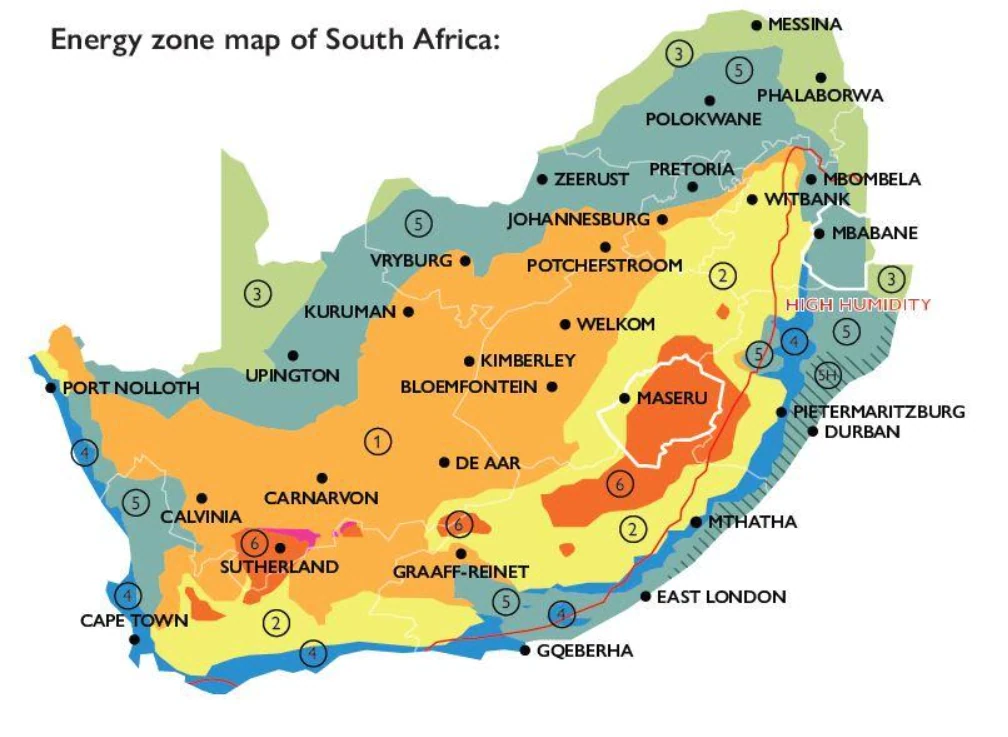
The map image could not be loaded.
Open Map ImageEnergy-zone boundaries are location-specific. Confirm the applicable zone for the actual building site before preparing a formal insulation specification.
Check Roof Insulation Requirements
Reference GuidePublished reference classification. Confirm the applicable energy zone for your particular building site.
Roof R-values are reference figures from published insulation guidance. The insulation layer's contribution depends on the complete roof assembly. Verify the selected product's declared R-value and installation requirements.
Roof & Ceiling Insulation Requirements
SANS 10400-XA specifies thermal performance requirements for applicable roof and ceiling assemblies. The required total R-value depends on the relevant energy zone, while the insulation product, its thickness and installation method determine its contribution to that performance.
Minimum Roof Assembly R-Value
Published insulation guidance identifies a total roof-assembly R-value of R3.7 across the standard energy zones. This refers to the combined thermal resistance of the roof system, not the insulation roll alone.
High-Humidity Energy Zone
The designated high-humidity zone, identified as Zone 5H, has a different published reference roof R-value. Confirm that your building falls within this zone before selecting an insulation specification.
Insulation Product R-Values
Glasswool and polyester products have declared thermal resistance values based on their specifications. Check the manufacturer's datasheet and the product thickness rather than relying on thickness alone.
Correct Insulation Installation
Insulation must be installed according to the specified roof design and manufacturer's instructions. Avoid unnecessary compression, gaps and displacement that could reduce thermal performance.
First identify the applicable energy zone and total roof R-value. Then compare the declared R-value of the insulation product with the thermal performance required for the complete roof assembly.
Important: The R-values shown are reference total roof-assembly values from published insulation-industry guidance. They do not represent a universal insulation-product specification. Confirm the applicable requirements and calculation method for the particular building design.
Roof Insulation R-Values Under SANS 10400-XA
An R-value measures resistance to heat flow. Under SANS 10400-XA, roof insulation is assessed as part of a complete roof assembly. The thermal resistance of the insulation blanket is important, but it is not automatically the total roof R-value.
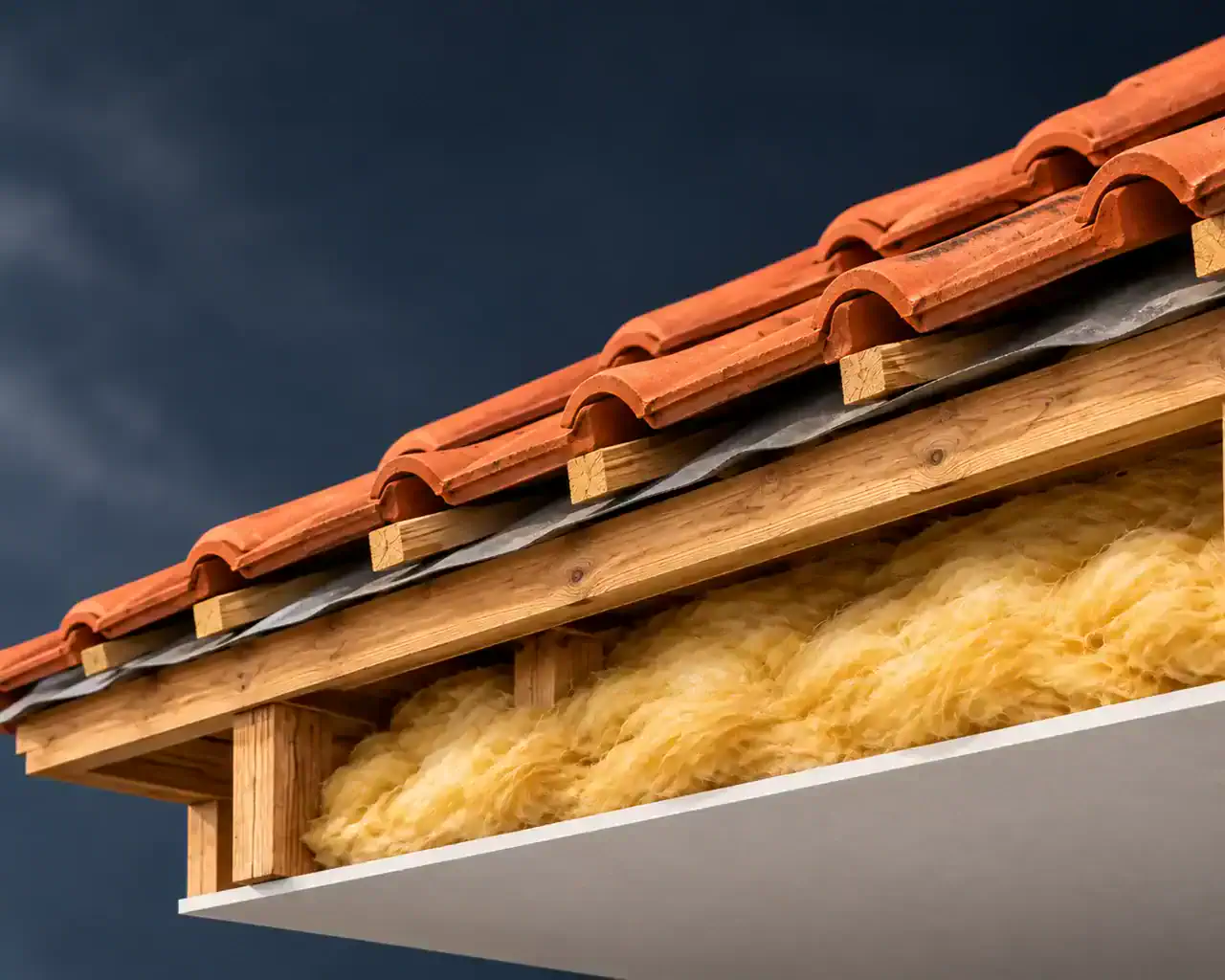
Product R-value vs Total Roof R-value
The total roof R-value represents the thermal resistance of the roof assembly. It is determined from the relevant layers and construction details, rather than the insulation product alone.
Thermal resistance declared for a specific insulation product and thickness.
Thermal resistance assessed for the complete roof and ceiling assembly.
Air spaces, reflective layers and other roof components must be assessed using the appropriate calculation method. A declared insulation R-value alone does not establish roof compliance.
Choosing Insulation for a Roof Assembly
Glasswool, polyester and radiant barriers have different roles in roof insulation. Under SANS 10400-XA, the selected material must be suitable for the construction and contribute to the required thermal performance of the complete roof assembly.
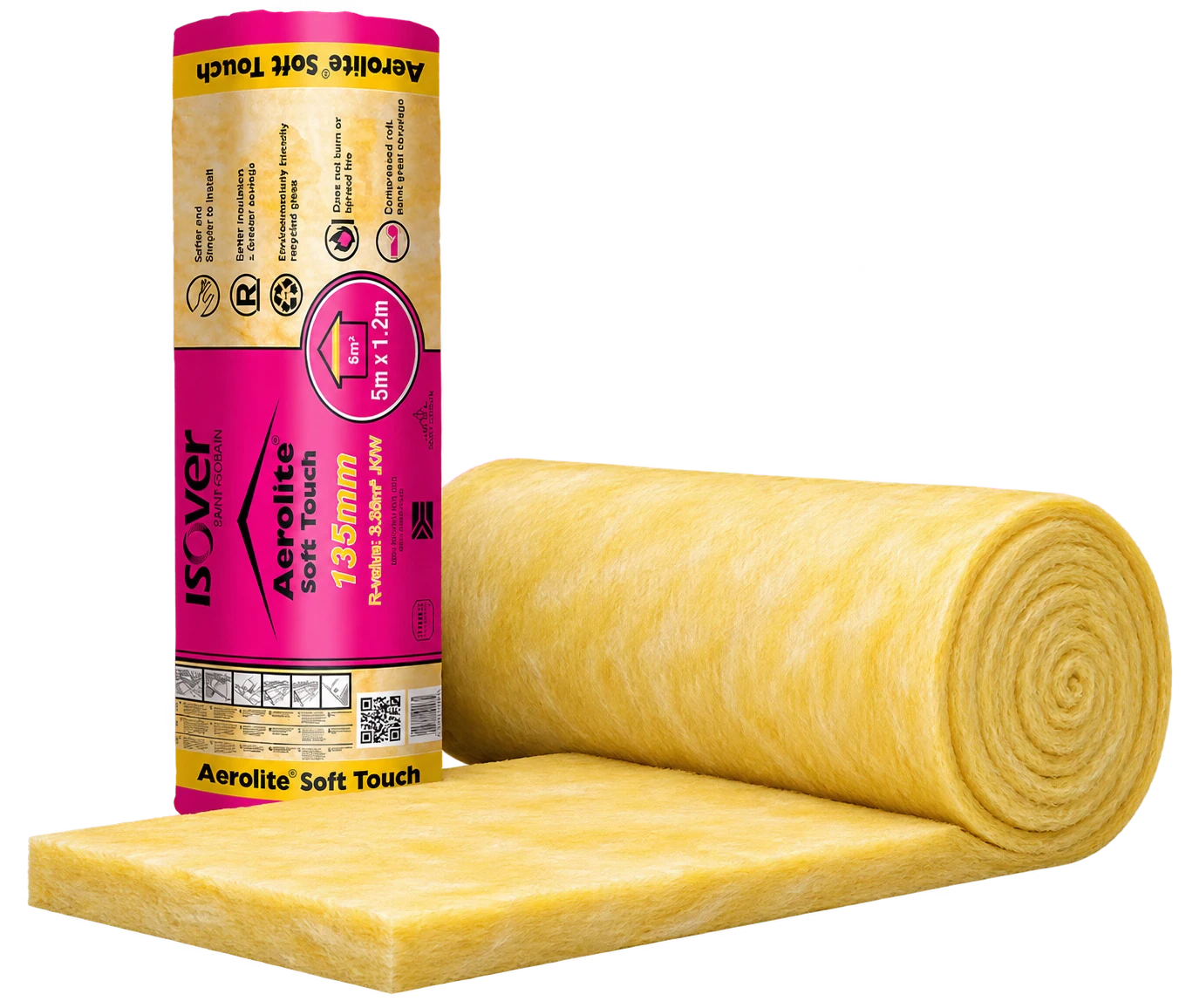
Glasswool Insulation
Glasswool blankets provide bulk thermal resistance and are commonly installed above ceilings. The declared product R-value contributes to the total thermal resistance of a suitable roof assembly.
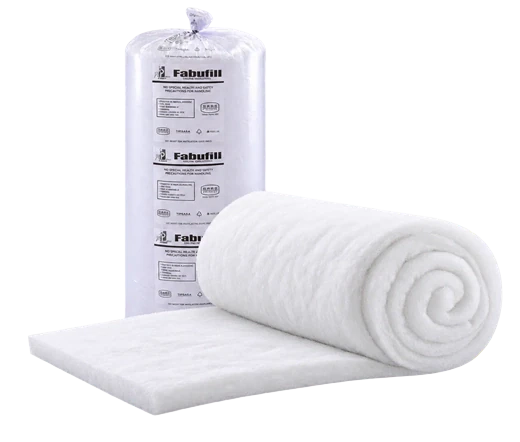
Polyester Insulation
Polyester fibre blankets are flexible bulk insulation materials used above suitable ceilings. Thermal performance varies between products, so the declared R-value should be checked against the roof assembly specification.
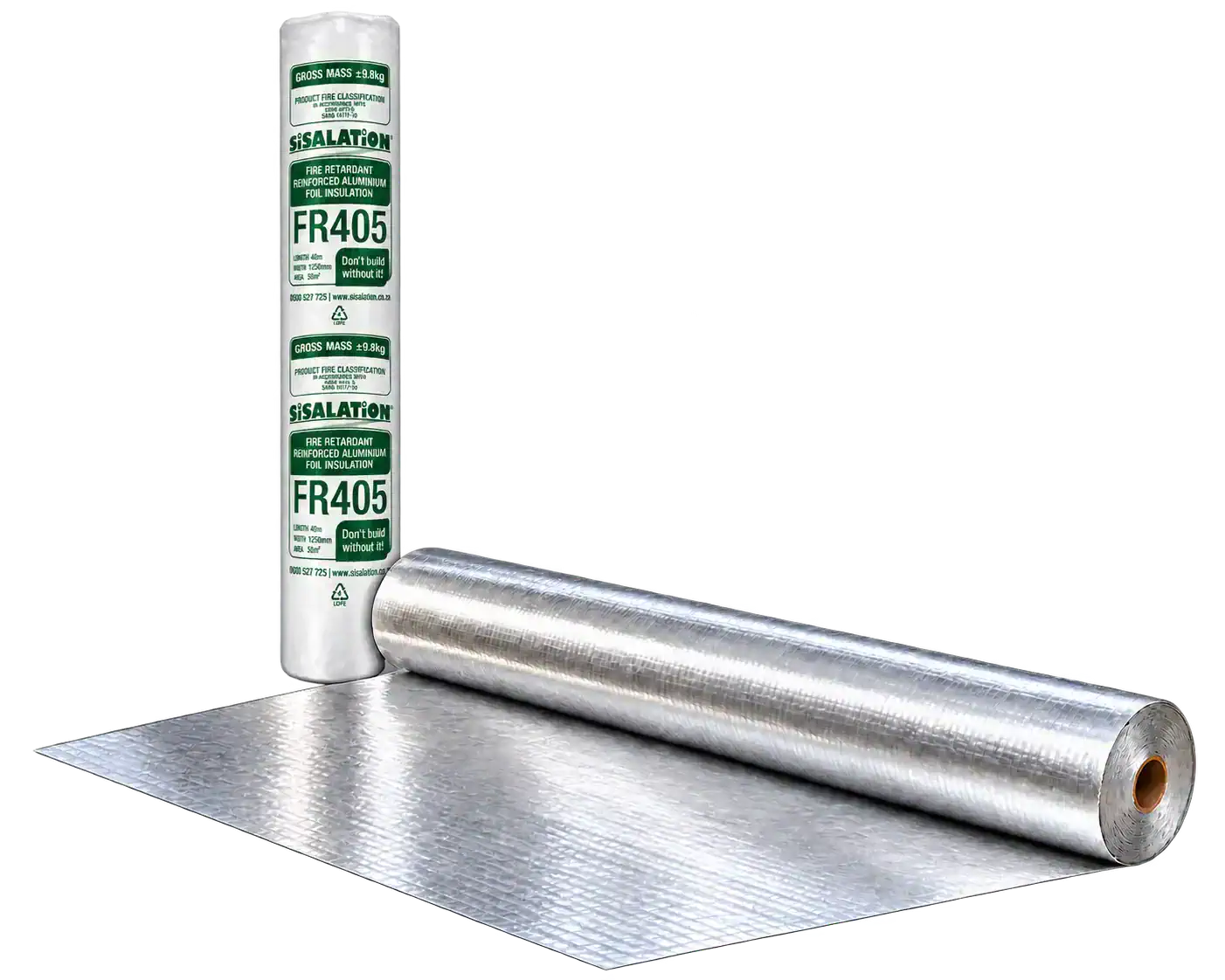
Radiant Barriers
Reflective foil barriers reduce radiant heat transfer in suitable roof systems. Their thermal contribution depends on the reflective surface, adjacent air spaces and specified installation arrangement.
Important: No insulation material automatically makes a roof compliant with SANS 10400-XA. Compliance depends on the complete roof assembly, applicable thermal requirements, product specifications and correct installation. Reflective barriers must be assessed with their associated air spaces rather than treated as equivalent to bulk insulation.
Roof Insulation Installation & Safety
Achieving the required roof R-value also depends on how insulation is installed. Roof coverings, thermal bridges, ceiling penetrations and heat-producing fittings must be considered in the approved insulation specification.
Tiled Roofs & Underlays
Published insulation guidance calls for a tile underlay or suitable radiant barrier in energy zones 1, 2, 4, 6 and 7. Confirm the specified underlay system and manufacturer's installation requirements.
Compression & Thermal Bridges
Flexible insulation beneath roof cladding requires appropriate spacing where specified, to preserve its installed thickness. Metal framing can conduct heat around insulation and may require thermal-break detailing in the roof design.
Continuous Insulation Coverage
Insulation sections should join without unwanted gaps. At ceiling perimeters, bulk insulation must meet the adjoining thermal barrier as specified. Compression, displacement and missing sections can reduce performance.
Fire Safety & Ceiling Services
Recessed downlights, transformers, flues and other heat-producing fittings need suitable protection and clearances. Check each product's fire classification and the fire-safety requirements of the complete assembly.
Important: Fire classification, thermal resistance and installation suitability are separate checks. An insulation product with an appropriate R-value is not automatically suitable for every roofing system or ceiling fitting. Follow the approved design and applicable fire-safety requirements.
Wall & Floor Insulation Requirements
SANS 10400-XA also addresses external-wall and floor insulation. Requirements depend on the building's energy zone and construction type. Lightweight walls, masonry walls, suspended floors and floors with underfloor heating are assessed differently.
External Wall Insulation
Lightweight external walls, including suitable framed systems with a surface density below 270 kg/m², are assessed by total wall thermal resistance or an applicable thermal-capacity resistance (CR-value) method.
Lightweight wall reference valuesHeavier masonry walls have separate construction and thermal-resistance requirements. The applicable specification depends on the wall's surface density, construction method, energy zone and building category.
Floor Insulation Requirements
Floors do not all require the same insulation treatment. Suspended floors forming part of the building envelope and floors fitted with underfloor heating have specific insulation requirements.
Suspended floor reference valuesA minimum insulation R-value of R1.0 is specified for floors with underfloor heating to limit unwanted heat loss to adjoining ground or surrounding spaces.
Geyser & Hot-Water Pipe Insulation
Thermal insulation also helps reduce heat loss from hot-water cylinders and exposed hot-water pipes. SANS 10400-XA includes pipe-insulation requirements, while adding a geyser blanket can provide an additional energy-efficiency benefit.
Geyser Blanket Insulation
A geyser blanket provides an additional insulating layer around a hot-water cylinder to help reduce heat lost to the surrounding air. It can be useful where the cylinder's existing insulation does not provide sufficient thermal protection.
Important: An additional geyser blanket is an energy-saving option, not a universal requirement to retrofit every existing geyser.
Hot-Water Pipe Insulation
Insulating exposed hot-water supply and return pipes helps reduce heat loss between the water-heating system and points of use. Published SANS 10400-XA pipe-insulation guidance specifies minimum thermal resistance according to pipe diameter.
Important: Pipe insulation must be suitable for the operating temperature, installation environment and system design. The actual specification must be verified for the project.
Geyser blanket guidance and mandatory pipe-insulation provisions serve different purposes. The pipe R-values above are taken from previously published SANS 10400-XA requirements. Confirm the applicable edition before using them in formal building specifications.
Frequently Asked Questions
Answers to common questions about insulation R-values, energy zones, building-envelope insulation and hot-water pipe requirements.
What roof insulation R-value is required under SANS 10400-XA?
Published reference requirements identify a total roof-assembly R-value of R3.7 for Energy Zones 1–7 and R2.7 for Zone 5H.
These values describe the roof assembly, not the insulation roll alone. Check the construction, direction of heat flow and applicable compliance method. Understand roof R-values .
Does SANS 10400-XA require a specific insulation thickness?
No single insulation thickness is suitable for every roof design or insulation material. Products of the same thickness can provide different R-values.
Use the relevant product technical datasheet and the required total roof thermal performance to select a suitable insulation specification.
Do existing homes have to meet SANS 10400-XA insulation requirements?
Existing houses are not automatically required to undergo a blanket insulation retrofit merely because thermal performance requirements exist.
New extensions and alterations requiring building approval may trigger requirements for the affected construction. Additional insulation may also be installed voluntarily for comfort.
Does SANS 10400-XA include wall and floor insulation?
Yes. External walls, suspended floors and floors with underfloor heating have specific thermal requirements. The rules vary by energy zone and construction type.
Lightweight walls are assessed differently from masonry walls. Suspended-floor requirements also differ from those for heated floors. View wall and floor requirements .
Can glasswool and polyester insulation meet SANS 10400-XA requirements?
Suitable glasswool insulation and polyester insulation can contribute to the thermal performance of a compliant roof assembly.
Check each product's declared R-value, fire classification, installation requirements and compatibility with the specified building construction.
Can a radiant barrier replace bulk roof insulation?
A radiant barrier contributes to roof performance differently from bulk insulation. Its effective thermal resistance depends on the reflective surface, adjacent air spaces and installation.
Do not assume foil and bulk insulation are interchangeable. The roof-system calculation determines which combination is appropriate.
How should roof insulation be installed under SANS 10400-XA?
The installation should preserve the specified insulation coverage, thickness and continuity. Appropriate allowances must be made for roof framing and heat-producing fittings.
Product fire classification, service clearances and the manufacturer's installation requirements must also be checked. Read the installation and safety guidance .
Does SANS 10400-XA require geysers and hot-water pipes to be insulated?
SANS 10400-XA includes thermal requirements for relevant hot-water pipework. Published earlier provisions specify R1.0 for certain pipes up to 80 mm internal diameter and R1.5 for larger pipes.
Additional geyser blankets can help reduce standing heat losses but are not a universal retrofit obligation for every existing water heater.
The current edition's hot-water provisions should be checked before preparing a formal compliance specification. View geyser and pipe insulation .
Important: These answers provide general insulation guidance. Confirm project-specific requirements using the current standard, approved design and appropriate product documentation.
SANS 10400-XA Technical References
For detailed requirements, official standards and supporting insulation specifications, consult the following sources.
South African Bureau of Standards
Find and purchase the current SANS 10400-XA standard and related South African National Standards.
Visit SABS Standards →TIPSASA Thermal Specification Guide
Reference energy zones, roof-assembly R-values and published guidance for wall and floor insulation.
View Thermal Guide →TIPSASA Document Library
Further reading on insulation materials, installation, thermal performance and reaction-to-fire classifications.
Browse Publications →This guide summarises insulation considerations for general information. It does not replace the current SANS 10400-XA standard, product technical documentation or a qualified building professional's compliance assessment.
Need Help With SANS 10400-XA Insulation?
Have a specified roof R-value or need help choosing insulation? We can advise on suitable products, thicknesses and supply or installation in Johannesburg, Centurion and Pretoria.