
Bulkhead
Bulkhead Ceilings: Design, Installation, and Ideas for Homes in South Africa
Bulkhead ceilings are an innovative way to enhance the aesthetic appeal and functionality of your home or business. These ceilings, which often feature a recessed or lowered portion, offer a range of benefits and design possibilities. Whether you’re renovating your kitchen, living room, or office space, bulkhead ceilings provide a modern solution for improving your interior’s look and feel.
Disclaimer:
This page is intended for informational purposes only. We do not sell or install bulkhead ceilings. For purchasing or installation inquiries, please contact authorized suppliers and professional installers.

L-Shape Bulkhead (150mmx300mm) EPS 2 meter

Light Trough Flat L-Shape (150x375mm) EPS 2m

Light Trough Flat U-Shape (150x375mm) EPS 2m

Light Trough Step L-Shape (150mmx375mm) EPS 2 meter

Light Trough Step U-Shape (150x450mm) EPS 2m

Step L-Shape Bulkhead (150mmx325mm) EPS 2 meter

Step U-Shape Bulkhead (150mmx325mm) EPS 2 meter
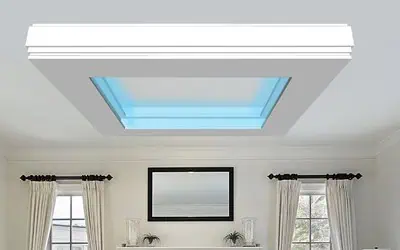
Supersize Bulkhead – 300mm (h) x 375mm (w) EPS 2m

U-Shape Bulkhead (150mmx300mm) EPS 2 meter
What Are Bulkhead Ceilings?
A bulkhead ceiling is a recessed section of the ceiling that creates visual interest and adds a contemporary touch to any room. Often used to hide structural elements like pipes, wires, or air-conditioning ducts, they can also serve as a striking design feature. By creating different levels within a ceiling, they introduce depth and dimension to a space, transforming it into something truly unique.
Resource: Designing Buildings
Different Types of Bulkhead Ceilings
Bulkhead ceilings are adaptable design elements that can be tailored to fit the specific needs and aesthetic of any room. They offer a wide range of styles and functions, from creating distinct visual boundaries between spaces to enhancing the ambiance with integrated lighting. Below are several types that serve both decorative and practical purposes.
1. U-Shape and L-Shape Bulkheads
U-shape and L-shape bulkheads are commonly used to define transitions between rooms or separate areas in larger, open-plan spaces. The sharp, angular shapes add structure while seamlessly connecting different zones within a room. L-shape bulkheads can also serve to create a continuous flow, making it easier to integrate lighting or other design features along the ceiling’s edge.
2. Step L-Shape Bulkheads
A more unique variation of the standard L-shape is the Step L-Shape which features stepped layers or levels, adding a dynamic, multi-dimensional effect to the ceiling. This style not only divides spaces effectively but also adds height and visual interest to a room. The layered design of the Step L-Shape helps highlight architectural features, making it ideal for contemporary spaces where distinction and elegance are key.
3. Dropdown Bulkheads
Dropdown bulkheads, available in box or dome shapes, are a popular choice for spaces where lighting plays a key role in setting the mood. These are designed to lower the ceiling and house aesthetic lighting elements like recessed lighting, pendant fixtures, or LED strips. The suspended effect they create enhances the overall ambiance of a room, making it feel cozier or more dramatic depending on the lighting choices.
4. Vaulted or Barrel-Style Bulkheads
Vaulted or barrel bulkheads are used when there is a need to conceal electrical wiring, air ducts, or other structural elements without sacrificing design. Their curved, arched appearance adds a touch of sophistication and flow to a space, while the hidden compartments help to maintain a clean and uncluttered look.
5. Double-Step and Light Trough Bulkheads
Both Double-Step and Light Trough bulkheads have unique functions that make them stand out. The Double-Step adds height and dimension to a room, especially in spaces with open floor plans, while creating a layered ceiling effect. The Light Trough, on the other hand, is specifically designed to highlight particular features of a room or zone. It serves to draw attention to key areas like dining tables or seating arrangements, using integrated lighting to accentuate the space.
6. Light Trough Bulkhead
The Light Trough bulkhead is designed to house lighting and is typically installed along the edges of the ceiling. This style is ideal for illuminating a specific area, whether it’s a feature wall, artwork, or a central area like a kitchen island. The recessed lighting within the trough creates a soft, indirect glow that enhances the overall ambiance while avoiding harsh overhead lighting. This style is perfect for open-plan spaces, ensuring that the lighting is focused where it’s needed without overwhelming the entire room.
Learn how ceiling insulation and roof insulation work together to improve comfort and acoustics in modern ceiling designs.

Bulkhead Ceiling Prices in South Africa
Are Bulkhead Ceilings Suitable for All Types of Buildings?
Yes, bulkhead ceilings can be suitable for all types of buildings, but their application and design might vary depending on the specific requirements of the space. Here’s a breakdown of how they can work in different types of buildings:
1. Residential Buildings
In homes, bulkhead ceilings are often used to enhance the design of open-plan living areas, kitchens, and dining rooms. They can help define spaces, create a sense of height, or conceal unsightly utilities like ducts, pipes, and wiring. In residential settings they are versatile and can be adapted to various styles, from minimalist flat bulkheads to more intricate step or coffered designs. They are also great for adding lighting features that set the ambiance, such as recessed or pendant lighting.
2. Commercial Buildings
For commercial spaces, they can serve both functional and aesthetic purposes. In office environments, retail stores, and restaurants, they are often used to conceal pipes, lighting, or signage. They can also help with acoustics in larger rooms, reducing noise levels and creating a more pleasant atmosphere. Light trough bulkheads, in particular, are commonly used in commercial settings to highlight certain areas with lighting, creating focus and enhancing the room’s mood.
3. Public Buildings
In public buildings, such as museums, galleries, or auditoriums, they can be used for practical purposes, like hiding electrical systems and fire sprinklers, while also contributing to the architectural design. The use of bulkheads in these settings often involves creative, custom designs that add to the atmosphere or theme of the space. Vaulted or barrel-style bulkheads, for example, are ideal for hiding wiring in larger venues.
4. Industrial Buildings
In industrial buildings, they are commonly used to conceal essential systems like piping, electrical wiring, and ventilation ducts. These designs are often more utilitarian in nature but can still contribute to the overall look of the building. The box bulkhead design is popular in industrial settings due to its simplicity and ability to house necessary infrastructure without compromising on aesthetics.
5. Renovations and Extensions
For renovations and extensions, they are often a great solution to help blend new areas with existing ones, especially when there’s a need to conceal lighting or services. They can also be used to create transitions between different ceiling heights, giving the space a more cohesive, polished appearance.
Related Ceiling Guides
- Drop ceilings – Ceiling systems with lowered sections similar to bulkhead designs.
- Plastered ceilings – Smooth ceiling finishes commonly used with bulkheads.
- Ceiling materials comparison – Compare ceiling materials and finishes.
- All ceiling types – Browse all ceiling guides and ceiling structures.