
Types of Insulation
Types of Insulation in South Africa
There are several different types of insulation used in South African homes and buildings, each designed for specific applications, performance requirements, and climates. Understanding how each insulation material works helps homeowners make informed decisions before choosing products or installation methods.
This guide provides a clear, neutral overview of the most common insulation types used in South Africa, including how they perform, where they are typically used, and their relative advantages and limitations.
Glasswool Insulation
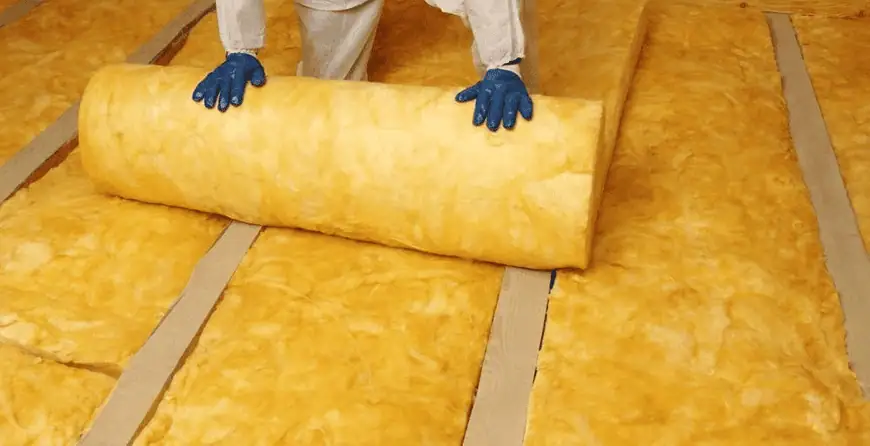
Glasswool is one of the most widely used and best types of insulation in South Africa, thanks to its excellent thermal and acoustic performance, affordability, and fire resistance. Made from fine glass fibres that trap air, it slows heat transfer and reduces noise coming in from outside or between rooms.
Where it’s used:
Pros:
✔ Excellent thermal insulation
✔ Excellent acoustic insulation
✔ Excellent fire rating
✔ Affordable
✔ Readily available across South Africa
Cons:
✖ Can irritate skin during installation if handled without protection
Popular glasswool products commonly used in South Africa:
- Knauf: Softer high-performance glasswool made with ECOSE® Technology, low itch and eco-friendly.
- Aerolite: Well known South African brand, known for consistent quality and long lifespan.
- Cavitybatt: Dense slabs designed to fit cavity walls, improving both thermal and acoustic control.
- Factorylite: Lightweight rolls with foil backing, often used under metal roof sheeting in industrial applications.

Glasswool insulation is highly versatile and can be supplied in rolls or batts to suit a wide range of building applications. It is commonly selected for projects where consistent performance, compliance with building regulations, and adaptability to different roof, wall, and ceiling structures are important considerations.

Polyester Insulation
Polyester insulation products are commonly used in South African homes, particularly by homeowners looking for a non-itch, easy-to-handle insulation material.
Manufactured from recycled plastic bottles, polyester insulation is designed to be safe to work with and suitable for residential environments where comfort, cleanliness, and indoor air quality are important considerations.
Pros:
✔ Itch-free
✔ Made from recycled PET bottles
✔ Long-lasting
Cons:
✖ Lower R-value compared to glasswool
✖ Lower density insulation
✖ B-class fire rating (not non-combustible)
✖ Less effective for noise reduction
✖ More expensive than traditional glasswool options
Common polyester products used in South Africa:
- Isotherm: Soft, durable insulating material, made locally from recycled PET bottles.
- Fabufill: Another trusted polyester option, also safe and environmentally friendly.

This type of insulation provides reliable thermal performance and is often installed in ceilings, walls, and floors, where comfort and ease of installation are important.

Polystyrene Insulation
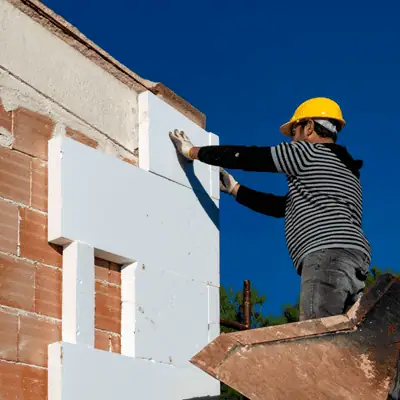
Polystyrene sheets are a smart choice where a solid, moisture-resistant insulation layer is required.
They’re often installed under concrete slabs, within walls, or used as ceiling boards to provide reliable thermal protection, resist damp conditions, and maintain performance in areas exposed to moisture or heavy loads, making them well suited to foundations, garages, and other high-stress building areas.
Where it’s used:
Pros:
✔ High compressive strength (won’t crush under weight)
✔ Excellent moisture resistance
✔ Very durable and long-lasting
Cons:
✖ Less effective for soundproofing
✖ Lower R-value compared to glasswool insulation
✖ B-class fire rating (not non-combustible)
The best option:
-
Summit XPS: Lightweight extruded boards perfect for ceilings, floors, or walls needing extra insulation strength.

Polystyrene insulation products offer strong structural stability and consistent thermal performance, making them suitable for applications where insulation must withstand moisture, pressure, or contact with concrete and masonry surfaces.
Radiant Barriers
Radiant barriers work differently from traditional insulation products. Instead of slowing heat flow by trapping air, they reflect radiant heat away from the roof surface, helping keep interior spaces cooler.
This makes them especially useful under metal roofs or tiles in hot South African regions, where roof surfaces are exposed to intense solar heat for long periods.
Where it’s used:
Pros:
✔ Helps reduce attic and ceiling temperatures
✔ Easy to install under new roofs
✔ Can also help control roof condensation
Cons:
✖ Works best when combined with bulk insulation
Popular radiant barriers used in South Africa:
- Sisalation: Heavy-duty foil with kraft paper or scrim for extra strength.
- Radenshield: Double-sided foil for high reflectivity.
- Alububble: Foil with air bubbles to provide a thermal break.
- Scrimfoil: Reinforced foil with a scrim mesh layer.
- Alucushion: Foil insulation that cushions against minor under-roof moisture.

Radiant barriers are generally installed as an additional layer within the roof structure and perform best in roof spaces where reducing solar heat gain is a primary design consideration.

Choosing the Right Type of Insulation
The best type of insulation for your home depends on your climate, the area you’re insulating, and your budget.
- For most ceilings, glasswool (like Aerolite or Knauf) or polyester (Isotherm, Fabufill) are the top choices, offering a balance of price and performance.
- For cavity walls, dense glasswool slabs like Cavitybatt give excellent thermal and acoustic benefits.
- For under slabs or floors, rigid polystyrene boards like Summit XPS are ideal for preventing heat loss and moisture problems.
- For hot roofs, radiant barriers like Sisalation or Alububble reflect heat before it enters your home.
If you’re sourcing insulation materials without installation, Insulation Warehouse offers a wide range of products across glasswool, polyester, and polystyrene.
Explore More Insulation Solutions
- Insulation – A full breakdown of insulation types and uses.
- Materials – Explore insulation by material type.
- Applications – See which insulation suits each area of your home.
- Guides – Expert tips for installation, care, and choosing materials.
- Comparisons – Compare insulation products and materials side by side.
- Ceiling Insulation – keep your living spaces cooler in summer and warmer in winter.
- Roof Insulation – stop heat from escaping in winter and entering in summer.
- Wall Insulation – reduce noise, eliminate cold spots & create a stable indoor temperature.
- Floor Insulation – stop heat loss through floors and block cold drafts.