
Choose by roof type
Best Insulation for Roofs
Find the best place to insulate, compare options for your roof type and know what to check before you buy.
In this guide
The short answer
What is the best insulation for roofs?
Start with the position of your ceiling and the space above it. A pitched roof with an accessible void above a flat ceiling often suits a bulk roll at ceiling level. Where the room follows the slope of the roof or there’s no separate ceiling, choose a system designed for the roof assembly.
For South African homes, compare the available depth, how the roof manages moisture, and the thermal performance required for the whole assembly. These checks matter more than choosing a material by thickness or brand alone.
Find the right layer
Should you insulate at the roof or the ceiling?
Look at the boundary between the rooms you use and the outside. If a flat ceiling separates the room from an unused roof void, insulation at ceiling level can limit heat flow between them. If the room extends to the sloped lining, the insulation typically follows the roof as part of a designed assembly.
Two places insulation can sit

Left · At ceiling level
The gold layer sits above a flat ceiling, below the roof void.
Right · At roof level
The gold layer follows the roof above a vaulted room.
Already know you have a suitable ceiling void? The ceiling buying guide compares rolls by R-value, available depth and coverage.
Compare by construction
Which option suits your roof type?
| Roof type | Where to start | What to check |
|---|---|---|
| Pitched tiled roof with a flat ceiling | Compare bulk rolls at ceiling level if the unused void is accessible. | Existing underlay, available depth and whether the ceiling has gaps or obstructions. Treat the underlay as part of the roof design. |
| Metal roof | With a separate flat ceiling, assess the ceiling option. For exposed or vaulted interiors, look at a roof-level system matched to the sheeting. | Condensation, thermal bridging through framing, and whether the roof is being replaced or must be upgraded from inside. See the metal roof guide. |
| Flat or low-pitched roof | Identify whether there’s a shallow cavity above the ceiling or a roof deck that needs its own system. | Cavity depth, access and moisture. See the flat roof cavity options. For a waterproofed deck, get the roof build-up specified as a whole. |
| Sloped ceiling or room in the roof | Consider an assembly that follows the slope and connects to the insulated walls. | Continuity at eaves and junctions, ventilation where specified, and space for the chosen product at its intended thickness. |
Match the material to its job
When do blankets, foil or boards make sense?
Bulk rolls and blankets
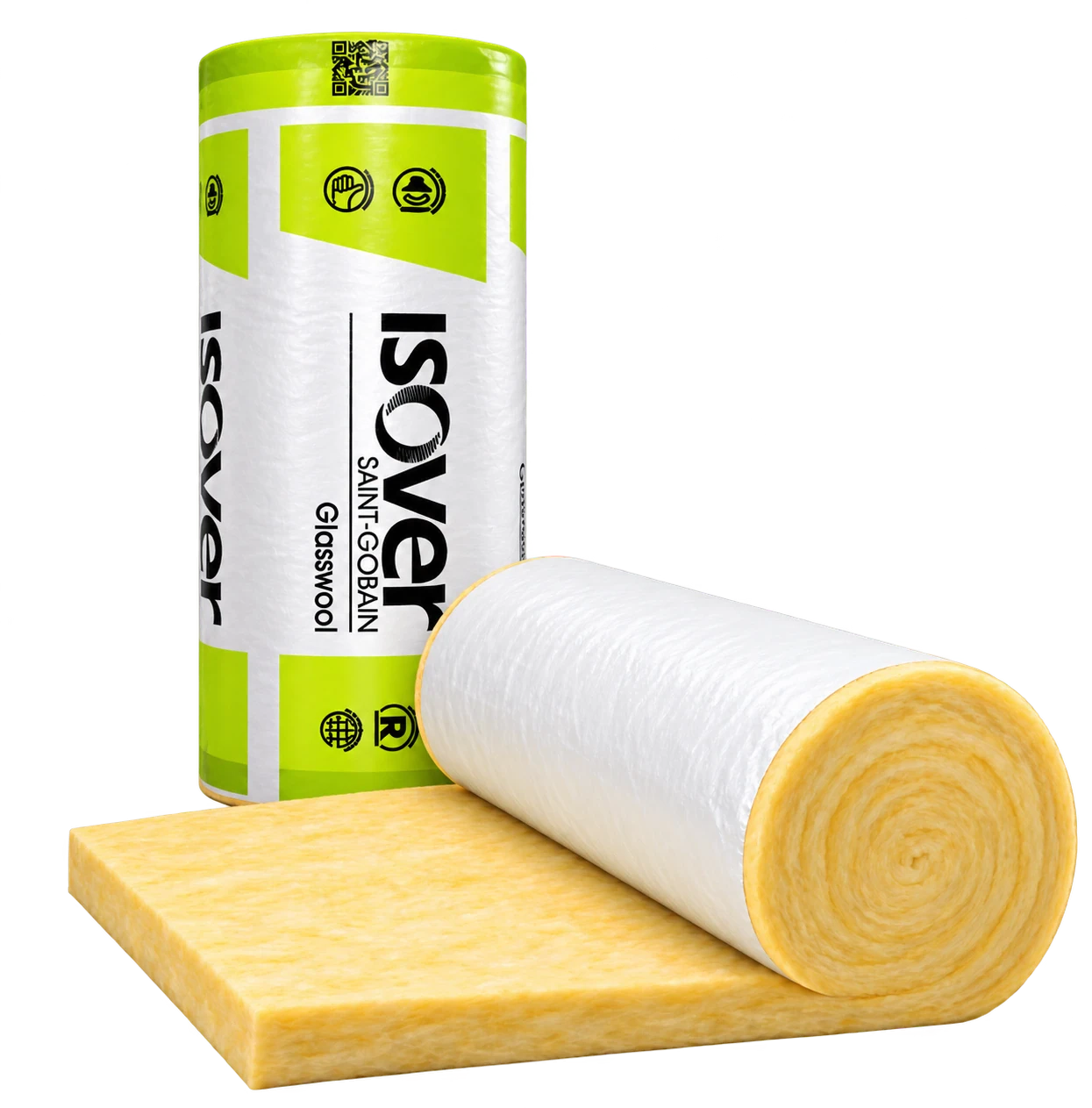
Bulk material resists heat flow through the layer. A ceiling roll suits some accessible voids. At roof level, use a product specified for that assembly, such as a suitable faced blanket in a designed metal roof system.

Faced glasswool beneath a metal roof
The facing is visible from below. The glasswool blanket behind it forms the bulk thermal layer in this Factorylite roof system.
Reflective foil
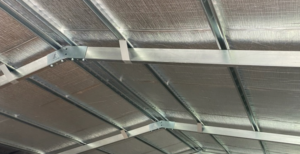
A low-emissivity face helps reduce radiant heat transfer when it faces the air space specified for the system. Check the thermal performance of the full assembly when deciding whether to combine foil with a bulk layer.
Reflective foil in a commercial roof
The foil membrane is pulled taut beneath the metal sheeting. The roof design specifies its supports and the air space it needs to reduce radiant heat transfer.
Roof-rated rigid boards
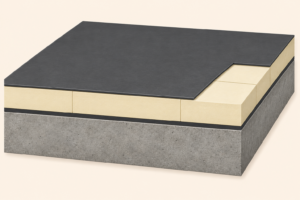
Consider these where the specified assembly calls for a rigid layer. Check suitability for the position, fixings or loads, and how the boards work with waterproofing and fire protection.
Rigid boards in a warm flat roof
This cutaway shows the boards above the structural deck and below the waterproof membrane. The insulation, vapour control and waterproofing are specified together.
For the differences between material families, see types of insulation. For warehouse and factory projects, compare industrial insulation options.
Products to compare
Which products fit your roof assembly?
Use your roof build-up to choose the right blanket or reflective layer. Then open the thickness, grade or finish you’re considering for the full specifications and current price.
Reinforced reflective foil
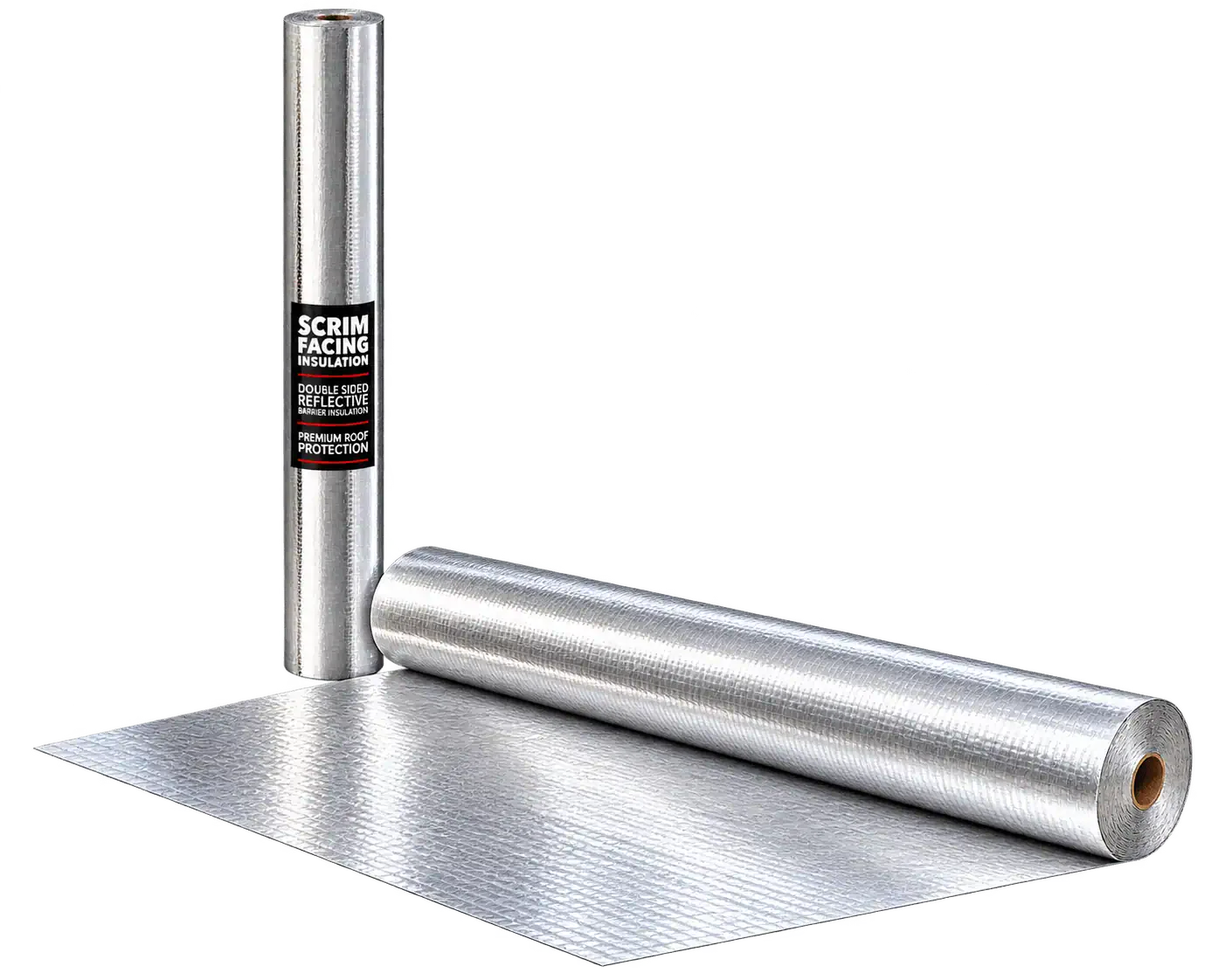
Scrim Facing
Compare Domestic and Industrial grades, or the White finish where the underside will be visible.
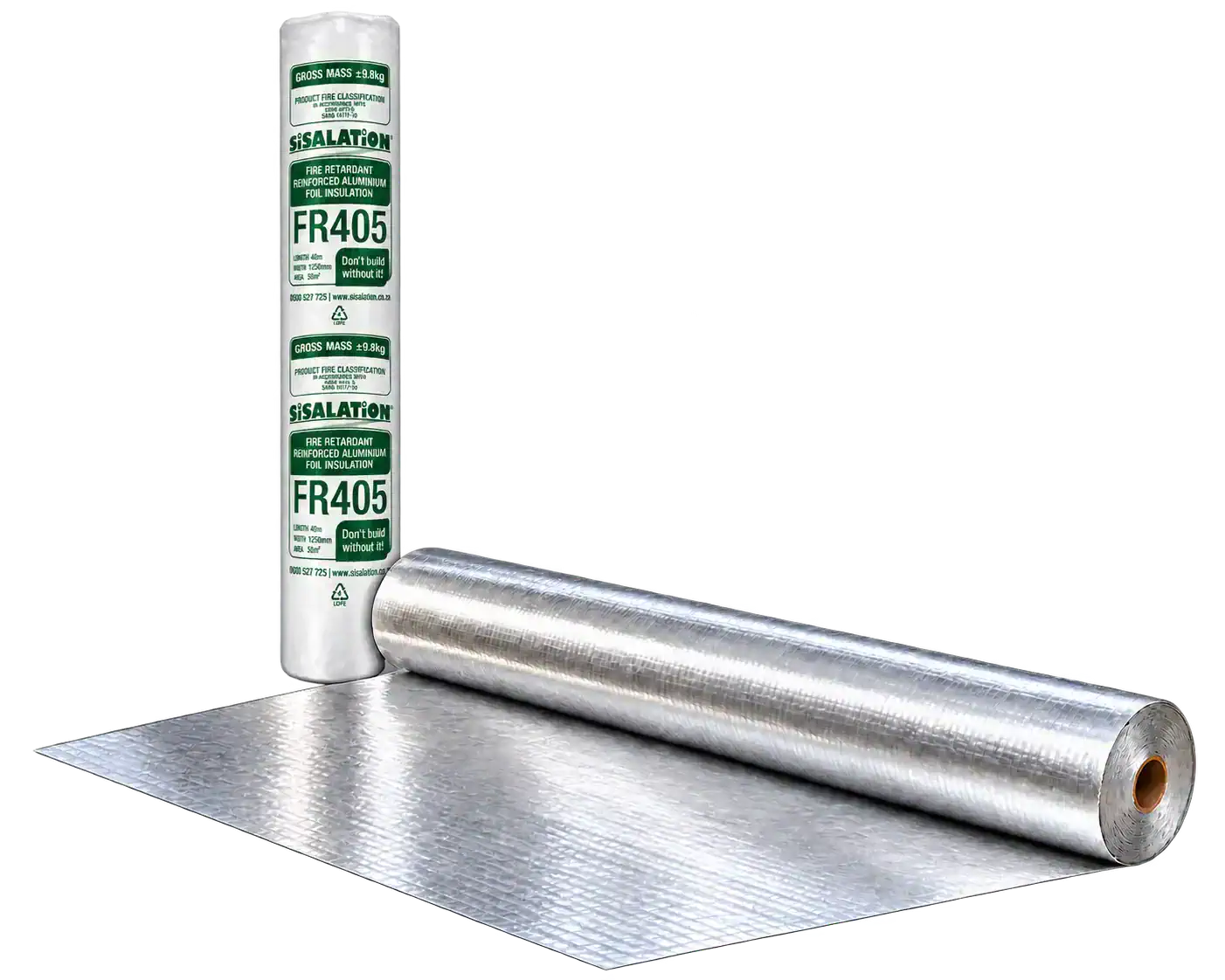
Reinforced reflective foil
Sisalation
A reflective laminate for use beneath the roof covering. Choose the grade specified for your assembly.

Reflective bubble foil
Alububble
Choose the facing that suits the finish and the specified air space in your roof system.
Before you buy
Five checks for your project
- Identify the build-up. Note the roof covering, the ceiling or lining, and any existing insulation. The same metal sheet can cover an open roof void or a room with a vaulted ceiling.
- Check access and depth. A new build or re-roof may give access to layers that are hard to reach from inside an existing home.
- Resolve leaks and condensation. Identify the source of dampness. Have the moisture-control and ventilation approach assessed before adding layers that change how the roof dries.
- Compare thermal performance. Use the R-value guide to distinguish the product rating from the rating for the whole roof-and-ceiling assembly. Check the requirement for your project and location.
- Check the details around the edges. Ask the supplier or installer to confirm documented fire performance, penetrations, junctions and how the insulation stays continuous.
Once you have chosen a system, use the installation guide to plan access, preparation and fitting checks.
Common questions
Questions about choosing insulation for roofs
What is the best insulation for a hot roof?
For a hot room below a flat ceiling, start by checking whether a continuous ceiling-level bulk layer fits. A hot room that follows the roof slope may need a system designed at roof level. A reflective layer can help control radiant heat where the assembly provides the specified air space.
Can I use foil by itself?
Check the performance of the proposed roof-and-ceiling assembly against the project requirement. The air space and facing affect how a reflective layer performs, and some assemblies also need bulk insulation.
Can I insulate an existing metal roof from inside?
It depends on access, the existing lining and how moisture is controlled. If you see condensation or have little clearance, have the roof assessed before covering the underside of the sheeting.
Is there one best material for a flat roof?
The design depends on whether the insulation goes in a cavity or forms part of a waterproofed roof deck. Confirm the location, usable depth and drying strategy before selecting a product.
Further reading from TIPSASA on insulation retrofits and typical roof assemblies.
Plan the next step
Find products that suit your roof
Explore the available options or speak to our team about supply for your project.