
How to Insulate a Garage

How to Insulate a Garage
In South Africa, most garages are built from brick. Without proper garage insulation, these spaces quickly become freezing in winter and unbearably hot in summer. Here’s how to insulate your garage to keep it comfortable and energy efficient all year round.
Why Insulate Your Garage?
Many South African homes have separate or attached brick garages. But without proper garage insulation, these spaces can become unbearably hot in summer, icy cold in winter, and prone to damp.
Insulating your garage transforms it into a comfortable, usable area — perfect for workshops, home gyms, or simply protecting your car and stored items from extreme temperatures.
How to Insulate Garage Walls
Most brick garages in South Africa have single or double brick walls with no built-in insulation. This makes them prone to extreme temperatures and moisture. Installing garage insulation on a batten framework is the best way to insulate these walls — whether you’re using flexible glasswool/polyester or rigid XPS boards.
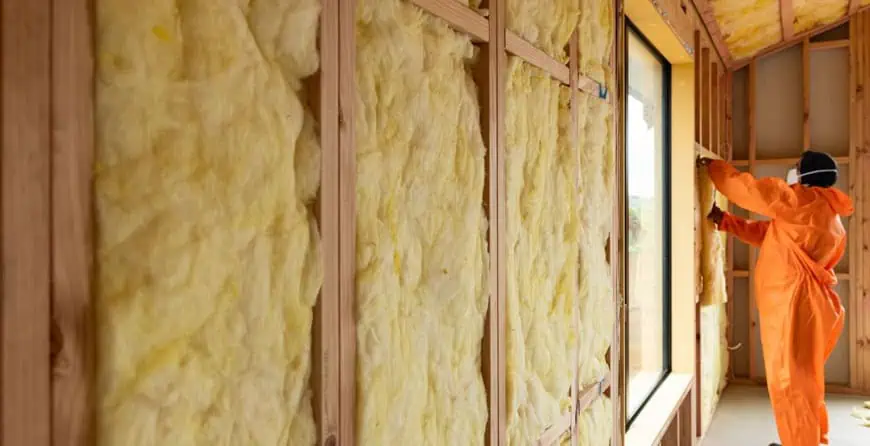
Method 1: Battens + Glasswool or Polyester
This is the most common approach if you want excellent thermal and acoustic performance, especially for garages you plan to convert into a workshop, gym, or living space.
How it works:
- Fix vertical timber or metal battens to the brick wall at intervals matching the width of your insulation batts (typically 400 mm or 600 mm centers).
- Place glasswool (like Cavitybatt, Aerolite or Knauf) or polyester (Isotherm or Fabufill) snugly between the battens. They should fit tightly without compressing, to maintain their R-value.
- Add an optional vapor barrier or reflective foil layer if local climate or codes recommend it.
- Finish by fixing drywall or fibre cement boards over the battens, then tape, skim and paint as normal.
Benefits:
- Creates a cavity perfect for running new electrical conduits or water pipes.
- Great sound absorption — reduces external noise.
- Easy to achieve high insulation R-values.
- Smooth interior finish just like any regular room.
Best for:
Garages being upgraded for more frequent use, especially if you want a comfortable environment year-round.
You can also learn more about wall insulation methods or read our detailed guide on how to insulate walls.
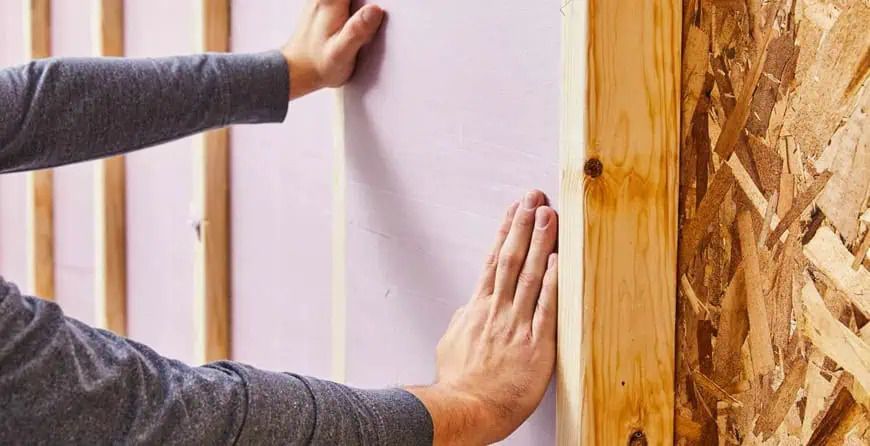
Method 2: Battens + XPS Polystyrene Boards
Rigid XPS (like Summit XPS) is ideal if you need moisture resistance, a thin profile, or a surface that can handle moderate bumps.
How it works:
- Install timber or metal battens spaced wider apart (XPS boards are rigid, so battens can often be 600 mm apart depending on wall height and board thickness).
- Cut the XPS boards to fit neatly between the battens. Seal any small gaps around edges with low-expansion foam or reflective tape to stop air leaks.
You can then:
- Leave boards exposed and paint them with a polystyrene-compatible primer plus acrylic paint — suitable for garages that are more utilitarian.
- Or cover the whole wall with drywall or fibre cement board fixed over the battens for a robust, normal wall finish.
Benefits:
- High thermal resistance with a slim profile — great for tight spaces.
- Naturally moisture-resistant, so excellent against rising damp in brick garages.
- Option to leave exposed for a simpler utility garage or plaster over for a premium look.
Best for:
Garages used primarily for storage or parking but still needing to stay cooler in summer and warmer in winter. Also a good choice if you have concerns about moisture.
How to Insulate a Garage Ceiling or Roof
The roof is typically the largest source of heat gain in summer and heat loss in winter, making garage ceiling insulation the single most effective way to regulate temperatures inside. Whether your garage has an open rafter structure or a fitted ceiling will determine the best approach.
1. If Your Garage Has Exposed Rafters (No Ceiling)
Many standalone brick garages have open roofs with the timber or steel rafters fully exposed. In this case:
How it works:
- Place glasswool or polyester insulation directly between the rafters.
- Use lightweight support strapping, wires or netting underneath if needed to keep the insulation in place, especially with deeper rafters.
Recommended products:
- Glasswool rolls like Aerolite or Knauf Earthwool provide excellent thermal resistance and are non-combustible. They are also excellent for soundproofing — critical under roofs.
- Isotherm or Fabufill polyester is a softer, itch-free option, great if you plan to DIY.
Extra benefit:
This also slightly improves acoustics by dampening rain or hail noise on metal roofs.
Finishing:
You can leave the insulation exposed if the garage is purely utilitarian, or install gypsum boards underneath for a neater ceiling.
2. If Your Garage Already Has a Ceiling
Many attached garages have a boarded ceiling (with gypsum, rhino board or timber planks).
How it works:
- Simply roll out glasswool or polyester insulation directly on top of the ceiling boards, just like in standard home ceiling installations.
- Ensure the insulation covers the entire area edge to edge to prevent thermal gaps.
Recommended products:
- Aerolite and Knauf are top choices for maximum fire safety and soundproofing under roofing.
- Isotherm and Fabufill work well for homeowners looking for a non-irritant option.
Why it matters:
Adding insulation above an existing ceiling is quick, cost-effective, and delivers an immediate difference in indoor garage temperatures.
How to Insulate Garage Floors?
Most brick garages in South Africa are built on a concrete slab, which is durable but also acts as a giant thermal bridge — pulling heat out of the space in winter and soaking up heat in summer. That’s why garage floors often feel icy underfoot, even when the air doesn’t feel that cold.
When Does It Make Sense to Insulate a Garage Floor?
Insulating existing garage floors usually isn’t practical, since it would require breaking up the concrete or raising the floor level significantly. However, if you’re planning a renovation or building a new garage, it’s the perfect time to add floor insulation.
How It Works
During a renovation:
- Rigid XPS boards (like Summit XPS) are laid directly on top of the existing slab.
- A new concrete screed (or self-levelling compound) is poured over the boards to create a finished floor surface.
In new builds:
- XPS boards are placed on compacted fill before the concrete slab is poured, acting as a continuous thermal break under the floor.
You can also learn more about floor insulation methods or read our detailed guide on how to insulate floors.
Benefits of Insulating Garage Floors
- Stops heat loss through the slab, keeping the garage warmer in winter.
- Helps prevent cold rising through to any rooms above or next to the garage.
- Protects against damp or condensation, since XPS doesn’t absorb water.
- Creates a more comfortable surface if you plan to use the garage as a workshop, gym, or hobby space.
Why Most Homeowners Skip It
For standard garages used mainly for parking or storage, the cost and disruption of adding insulation under an existing floor often outweighs the benefits. That’s why it’s typically done only:
- When building a new garage from scratch, or
- During a major renovation where the floor level will be adjusted anyway.
Don’t Forget the Garage Door
A large steel door is a major source of heat gain and loss. While we don’t supply garage door insulation kits, you can:
- Line the inside of the door with foam board panels or special DIY reflective insulation kits.
- Ensure weather seals around the door are intact to stop drafts.
Recommended Products for Garage Insulation
- Aerolite & Knauf glasswool – for ceilings and between studs on walls.
- Isotherm & Fabufill polyester – non-itch option for ceiling or wall cavities.
- Summit XPS boards – for direct wall mounting or under screeds.
Related Insulation Pages
- Insulation – A full breakdown of insulation types and uses.
- Materials – Explore insulation by material type.
- Applications – See which insulation suits each area of your home.
- Guides – Expert tips for installation, care, and choosing materials.
- Comparisons – Compare insulation products and materials side by side.
- Ceiling Insulation – Learn which materials work best for SA ceilings.
- Roof Insulation – Understand insulation options for roofs and attics.